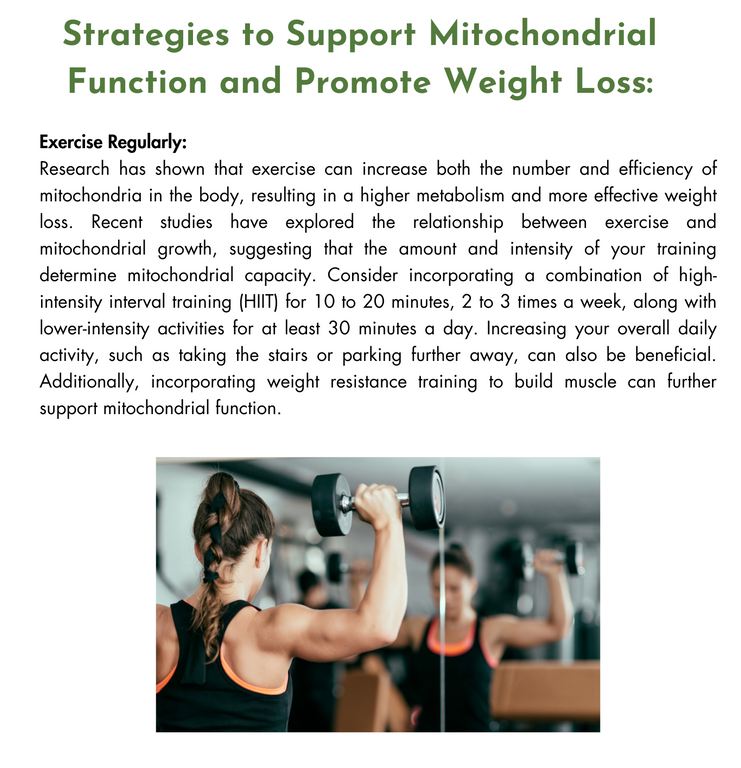
Are you ready to tell your belly fat “asta la vista baby” ? This may be the most underutilized tactic to get your belly-fat to finally hold the white flag and surrender! I am referring to High-Intensity Interval Training (HIIT). It is is not just a workout trend; it’s a strategic approach endorsed by weight loss programs in Sarasota and beyond.

What Is HIIT and Who’s It For?
High-Intensity Interval Training is the fitness darling recommended by registered dietitian counseling experts for its effectiveness. It’s designed for everyone, even those at the beginning of their weight loss journey. HIIT involves short bursts of intense exercise followed by a recovery period. This ‘go hard and rest’ approach is what makes HIIT accessible and effective for individuals at any fitness level. As always, listen to your body while making it a challenge for you, so that you in turn your body will get stronger.

The Flexibility of HIIT
HIIT’s adaptability is its crown jewel. You can use the basic principle of HIIT to whatever activity you prefer. This may include speed walking, running, cycling to ellipticals, HIIT is a workout that molds to your preferences, ensuring that you stay on track with your weight loss goals. Whether you’re working with a dietician for weight loss or you’re venturing out on your own, HIIT can be tailored to your capabilities.

Why HIIT Works for Belly Fat?
HIIT is lauded by weight loss programs in Sarasota for its quick and visible results, particularly against belly fat. Let’s delve into the reasons why:

Enhanced Fat Loss: HIIT is a standout strategy because it burns more fat than steady-state exercises. This ability to burn fat becomes more pronounced in studies that have compared elite long distance runners with sprinters. Ironically, hours of cardio can result in a condition called TOFI (thin on the outside, fat on the inside). HIIT is supported by nutrition and fitness experts, including dieticians for weight loss.

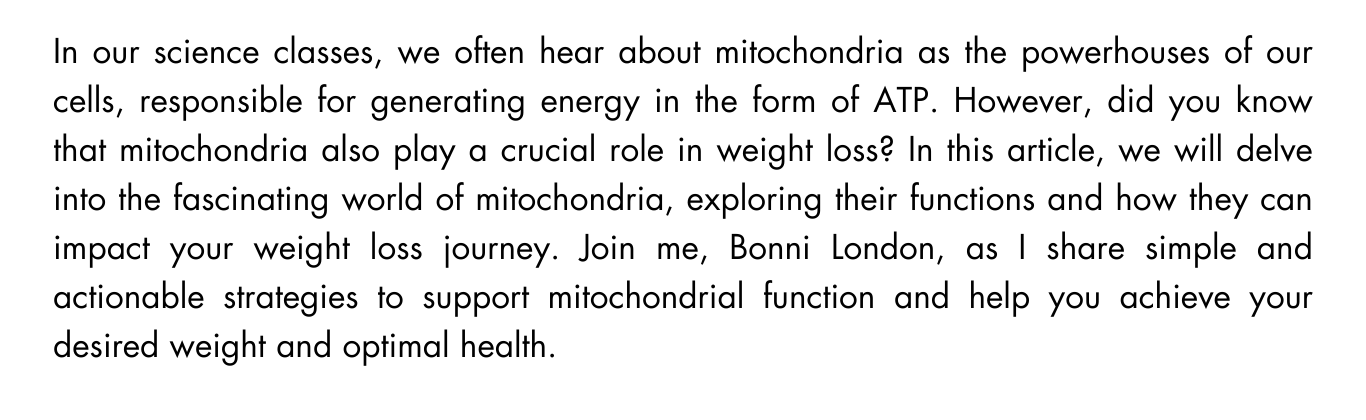
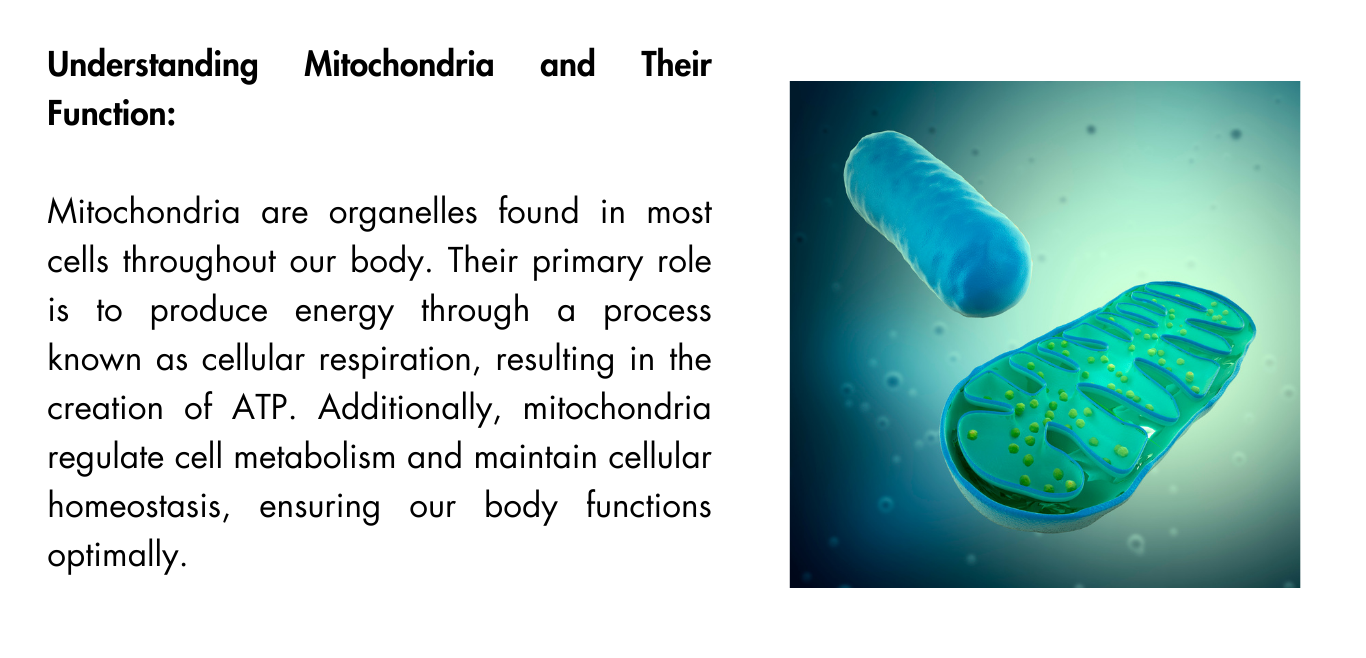
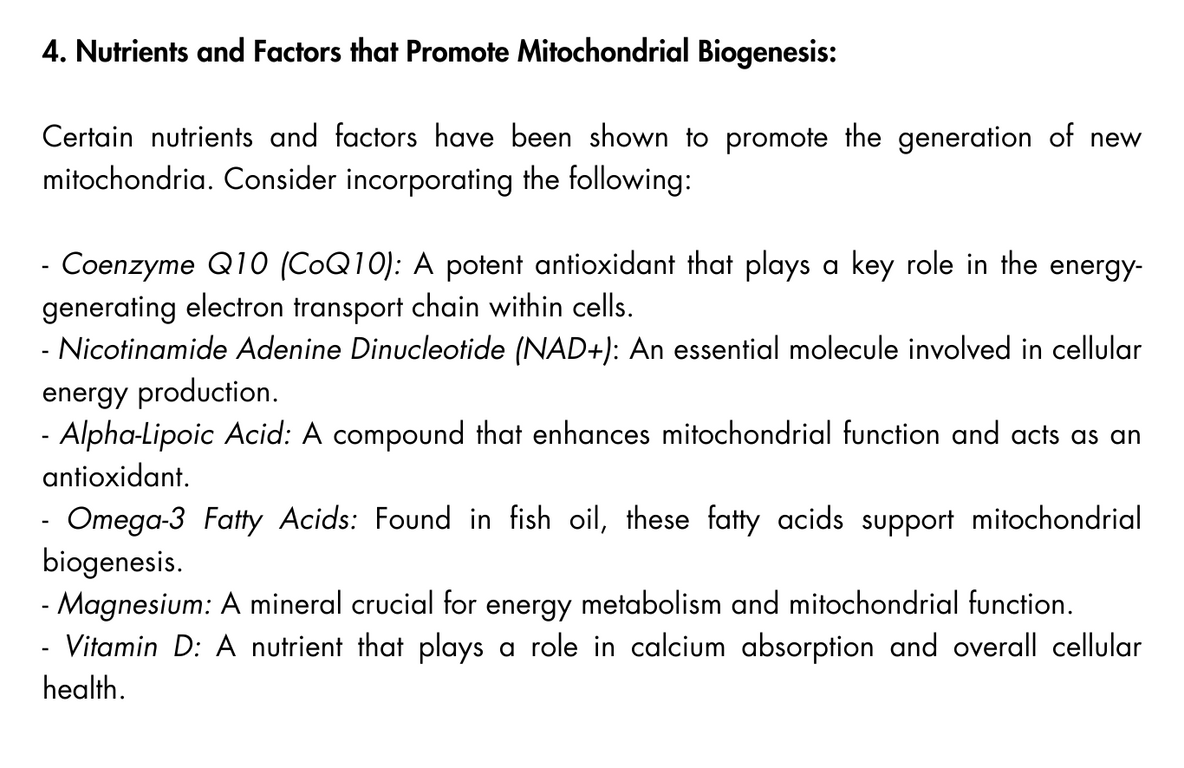
Mitochondria Multiplication: Mitochondria, long referred to as the powerhouse of the cell is where fat burning happens. It turns out that HIIT encourages their growth in number and quality, boosting your body’s fat-burning capacity!

Metabolic Boost: The metabolic rate increase post-HIIT is a phenomenon well-acknowledged by registered dietitian counseling services. It enables your body to continue burning calories long after your workout is finished. This well studied phenomenon is known as “excess post-exercise oxygen consumption” (EPOC) and is responsible for boosting your metabolic rate and burning more calories for hours afterwards. Pretty impressive for a brief workout session!

Muscle Building and Myokines: HIIT prompts the release of myokines, which are beneficial for muscle growth and insulin sensitivity—two critical factors in weight loss and management. This means HIIT promotes both muscle growth as well as fat loss at the same time!

Appetite Regulation: This is a significant benefit that dieticians for weight loss often highlight. HIIT can help control your appetite, making it easier to stick to your diet plan. This is in contrast to what many experience after other lower intensity but long duration activities.

Stress Reduction and Cognitive Benefits: Beyond the physical benefits, HIIT also contributes to mental well-being, an aspect emphasized in comprehensive weight loss programs. Let’s face it, if you are stressed, your defenses and willpower get depleted.

The Practical Perks of HIIT
Less time needed to accomplish your fitness goals. In an era where time is precious, the efficiency of HIIT aligns perfectly with the busy schedules of Sarasota’s residents. It’s an ideal choice for those who want the guidance of a registered dietitian counseling session but have limited time for the gym.

So, whether you’re already working with a dietician for weight loss or you’re exploring weight loss programs in Sarasota, consider giving HIIT a chance. With HIIT, you can tackle belly fat head-on and embrace a healthier lifestyle!

Hey there, health enthusiasts!

Bonni London here, your friendly guide to a healthier, happier you. Today, I’m going to dive into something that might just shock you: the foods that are used to fatten up cattle and livestock happen to be lurking in some of the so-called “healthy” foods we humans consume. Yes, it’s true! But don’t worry; I’m here to shed light on this curious connection and help you make more informed choices with the best nutrition tips.

The Cattle Conundrum: Ingredients for Weight Gain

Let’s start with the basics. Cattle and livestock are typically fed a diet that includes corn, soybean protein, cottonseed, sorghum, and beets. Shockingly, these same ingredients play a sneaky role in our own diets, leading to weight gain and insulin resistance. But how exactly does this work?

Let’s break it down:

Insulin Production and Sensitivity:
High-carb diets, especially highly processed carbohydrates loaded with simple sugars and starches, trigger increased insulin production. Insulin promotes fat storage, and that’s not something most of us are aiming for!

Omega-6 and Inflammation:
Omega-6 fatty acids, found in these feed ingredients, can lead to chronic inflammation and metabolic changes that favor fat storage.

Fat Storage and Marbling:
Dietary fats, especially omega-6 fats, influence where and how fat is stored in the body, including intramuscular fat or marbling (great for rib-eye, bad for a six-pack!)

Alteration in Fatty Acid Metabolism:
Omega-6 fatty acids mess with enzymes involved in fat metabolism, promoting fat storage and hindering fat burning. (irrespective of the amount of calories you consume!)

Appetite Dysregulation:
High-fat diets, including omega-6 fats, can mess with hunger hormones, making us more prone to overeating. (less satiated with more food!)

The Synergistic Effect:
It’s not just one ingredient, but the combination of easily digestible carbs and omega-6 fats that creates the perfect storm for weight gain. Together these carbs and fat can have a pronounced effect on weight and fat gain!

Are You Eating the Livestock Diet?

Now, let’s unveil some common foods you might be eating that contain these ingredients, but don’t worry, I’m here to provide one-on-one coaching and the best nutrition tips to help you avoid these pitfalls:

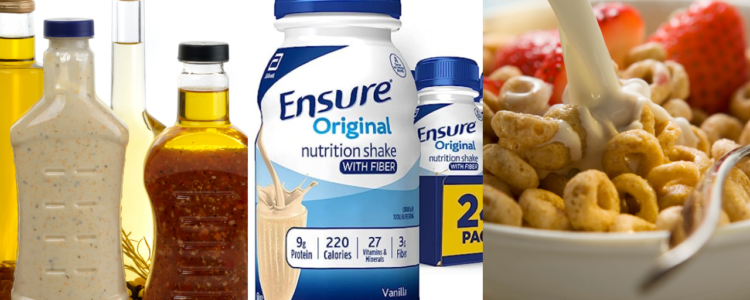
Cereals: Many cereals such as Cheerios, Crackin’ Oatbran, Raisin Bran may contain one or mor of the following: GMO corn, corn syrup, sugar, soybean oil, canola oil corn starch, or soy lecithin.

Vegan Meat Alternatives: Meatless burgers and sausages often contain highly processed soy protein as well as processed seed oils such as soybean, canola or sunflower oil and beet can be added for color.

Meal Replacements: Popular meal replacements such as Ensure, Boost and Premiere protein may contain processed GMO soy protein, corn syrup and corn or canola.

Salad Dressings and Mayonnaise: Majority of bottled dressing contain canola or soybean oil, and many contain corn syrup as well.

Frozen Foods: Various frozen meals may contain soy protein, corn derivatives, or oils from cottonseed or soy as well as corn syrup or sugar.


Top Strategies for Dodging the Livestock Lifestyle:

Always Read the Ingredients: Be vigilant and limit or avoid highly processed carbs and foods with these sneaky ingredients.

Reduce or AVOID if possible Processed and Fast-Food Consumption: Packaged snacks, processed meats, and foods with additives should be on your watchlist.

Avoid Omega-6 Rich Oils: Say no to corn oil, soybean oil, sunflower oil, safflower oil, and those pesky partially hydrogenated oils. (read the ingredient list)

In conclusion
, if you’re striving to maintain your ideal weight and health, it’s time to reevaluate some of those “healthy” foods in your pantry. Don’t let cattle feed ingredients sneak their way into your diet! Remember, knowledge is power, and with registered dietitian counseling and the best nutrition tips, you have the tools to make informed choices for a healthier you. Stay well, my friends!

Registered Dietitian Counseling and Weight Loss Programs in Sarasota

If you’re seeking personalized guidance and one-on-one coaching to achieve your health and weight loss goals, consider registered dietitian counseling and weight loss programs in Sarasota. With expert support, you can navigate the complexities of nutrition and make choices that align with your well-being.

Today, we have something thrilling for everyone out there seeking a path to significant weight loss. If you’ve secured a prescription for weight loss peptides like Ozempic and Mounjaro, it’s crucial to understand how to use them effectively while safeguarding your health.


Understanding the Risks and Rewards

These drugs primarily modify satiety and hunger signals, resulting in reduced cravings and appetite. While it sounds perfect, there are potential pitfalls:

Starvation Diet: The decreased appetite could lead users to massively reduce food intake. This often translates into significant weight loss, but there’s a catch – the weight lost could come from muscle and even connective tissues.

Rebound Weight Gain: Abruptly stopping these medications can lead to quick weight gain, counteracting the benefits.

But don’t fret, with the right approach, these pitfalls can be avoided. Let’s dive into the strategies to ensure you achieve both short-term and long-term weight and health goals.

7 Proven Strategies for Safe and Effective Weight Loss

Body Composition Test:
Before starting, understand your body. Body composition scales can give insights into fat and muscle distribution. A more detailed method would be a dexa scan.

Clean Eating:
With a controlled appetite, focus on nutrient-rich foods. Remember, it’s about quality, not just quantity.

Protein Intake:
Safeguard against muscle loss by consuming adequate protein. Aim for 1.6gms per kilogram of your ideal body weight, but never go below 100 grams. Start your day with 30-50 grams of protein.

Exercise Regularly:
Incorporate both weight resistance and cardio to maintain muscle strength. Lifting heavy (with good form) is recommended for both genders. HIIT and low-intensity exercises can boost fat burning.


Hormone Balance
:
Testosterone, growth hormone, and insulin-like growth factor play essential roles in muscle growth. Ensure adequate intake of amino acids, healthy fats, vitamin D, zinc, and magnesium. Limit stress, alcohol, and exposure to endocrine disruptors like BPA.

Prioritize Sleep:
Growth hormone, vital for muscle repair and growth, is released during deep sleep. Aim for 7-9 hours of quality sleep every night.

Don’t Stop Suddenly:
Abruptly stopping the medication can lead to problems. Discuss a tapering schedule with your doctor, extending over 6 months or more. Also, address issues like medication availability and insurance coverage.

In Conclusion:

Weight loss miracle drugs can be a tremendous advantage when combined with the right diet and lifestyle changes. However, it’s essential to approach them with caution and knowledge. Here’s to your health and a brighter future!

Until next time, Bonni London.
Check out video contents
Want an in-depth nutrition counselling? You may reach out now!

Finally, your vacation has arrived! You have looked forward to this vacation for months. You realize you need a healthy break away from everyday concerns to recharge, unplug and gain a fresh perspective. You have made some good progress in achieving or maintaining your weight goals but now you are fearful that all of your efforts will be ruined by caving in to vacation temptations! Are your fears valid?

Reality check, most people who take a week or two vacation may gain an average of one pound.  Unfortunately, this weight may not come off, contributing to the 1 to 2 pounds gained on average by Americans every year. This may not seem like an insurmountable amount of weight, but if ignored, those extra pounds can add up fast. In fact, most people report that their weight gain occurred slowly overtime as opposed in response to a single event. The opposite is also true, a single event such as a vacation is unlikely to significantly impact your weight as part of an overall healthy diet and lifestyle. This is a critical factor to consider because maintaining your preferred weight involves adopting long-term habits that are consistent, not perfect, even while on vacation. Successfully maintaining your preferred weight over the long term requires being able to cope with a variety of environmental influences. Vacation may provide the ultimate test of adhering to habits while adapting to a foreign and most likely challenging environment, armed with temptations!

Here are my top strategies you can implement to make your next vacation a confidence building exercise to propel you closer to adhering to your diet/ lifestyle goals:

  1. Bring an emergency stash of nonperishable items.

Ie.: protein powder with a shaker bottle, nuts or seeds, packets of fish, jerky.

  • Have a healthy amount of protein and healthy fat at Breakfast. We have the most amount of willpower at Breakfast and it has the ability to influence your blood sugar and appetite for the whole day.  Protein, specifically is the most satiating of all macronutrients and will set up your day for success.

Ie.: Vegetable omelet, a vegan breakfast burrito or bring your own protein      powder as a back-up!

  •  Lunch and Dinner: look at the menu in advance, if possible. Eat vegetables and protein first before having starchy carbohydrates.

Ie: order a salad, ceviche or shrimp cocktail for an appetizer, leave bread for the main meal (when you may no longer want it!)

  • Alcohol: try to limit majority of consumption to Happy Hour. Consider which drink provides the most pleasure and focus on that. The first drink at Happy Hour seems to fulfill that for most people. Steer clear of the fruity tooty mixers!

Ie.: Yes to a Dirty Martini, No to a Margarita (instead opt for straight tequila!)

  • Finally, and most importantly, do not harshly judge yourself for any indulgence. Instead, consider the big picture benefit of enjoying an occasional treat. As a result, you will be more likely to bounce back and reinforce the habits that support your long-term weight loss goals.

Final takeaway: instead of fearing your vacation, embrace it as a challenge to propel you closer to your weight loss goals, by solidifying the diet and lifestyle habits that will get you there!

If you want to know how a personalized plan could be the missing link in achieving your goals, please call now 941-685-8074 or click here to schedule a free 15 minute discovery call.

What if there was a way to more effortlessly obtain and more importantly maintain your preferred weight?

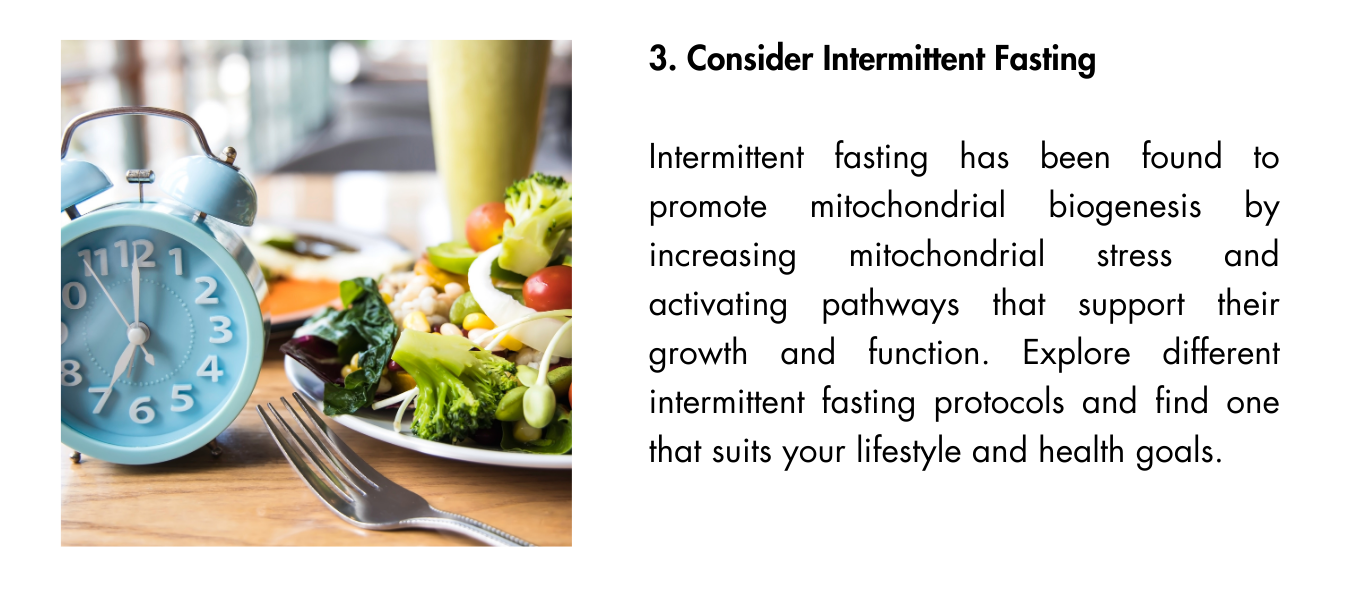
There is a solution, and it is not a new, but actually as old as time! Intermittent fasting and Time restricted eating. The evidence is mounting in recent years that when you eat may be at least as important as what you eat. Historically, we ate the majority of food when we could see it! This meant consuming food when the sun is up. Welcome to modern times in controlled environments where thanks to the invention of the light bulb about 150 years ago, we no longer limited by nature’s clock. In addition, the food industry that has successfully promoted highly palatable snacks, making night time treats an easily accessible habit. Most people in the industrial world engage in a 15-hour eating window, enjoying 3 meals as well as 3 snacks between meals. The consequences of all these changes have been dramatic, contributing to the astronomic rise in obesity, chronic diseases. The weight loss industry has blossomed to 78 billion dollars, while 97% of all diets fail!

How is fasting/ time restricted eating different than dieting?

We now understand that through the study of circadian rhythms and chronobiology, that your body has a clock that plays a major role in keeping you healthy and at a healthy weight. There is time we are supposed to be sleeping, exposed to sunlight, moving and yes, eating! In fact, the time you eat is so important, it has been demonstrated to play a pivotal role in your sleep- wake cycle, even more than light exposure.

Dieting may focus on manipulating macronutrients, but the ultimate strategy is to get you to consume less calories. This can work in the short term, but ultimately your body catches on to the calorie deficit and looks for ways to compensate, such as slowed metabolic rate, increased hunger or decreased movement. Fasting on the other hand, actually appears to naturally lead to a decrease in intake and appetite during the feeding window. In addition, fasting revs up metabolism, increases human growth hormone, increases testosterone and turns on the hormones that instruct the body to switch from food for energy to utilizing body fat. What do you think your stored body fat is for?

How can you get started today using the science of meal timing to achieve your weight goals?

1) Stop snacking
2) Eat only in a 12 hour window. Ie: 8am to 8pm
3) Slowly move Breakfast later or move Dinner earlier and consider an 8 hour window.
4) Eat the majority of calories earlier in day.
5) Stop eating at least 4 hours before bed.

If you want to know how a personalized plan could be the missing link in achieving your goals, please call now 941-685-8074 or click here to schedule a free 15 minute discovery call.

weight loss 3After years of enduring a poor reputation, fat has been redeemed with new research that suggests fat should actually have a prominent place in your diet. This abrupt about-face has caused significant confusion, especially because the government has long discouraged the intake of fat.  Since 1980, when the food pyramid was first introduced, Americans have suffered an explosion of obesity. At least 55 percent of the population is currently considered to be obese, and this number is expected to increase. Chronic diseases associated with an unhealthy diet and lifestyle have also dramatically increased, surpassing infectious diseases as the main cause of death.

Continue Reading…