The brain weighs roughly 3 pounds and uses about 20 percent of the energy consumed by the body each day. Maintaining a constant flow of glucose and nutrients can make an enormous difference in how well your brain is able to function on a day-to-day basis.
We live in unusual times, when people are living longer than ever. In fact, for the first time in human history we have more people living over the age of 60 than below 15. This makes maintaining arguably your most vital organ an even greater priority. Unfortunately, living longer can increase the risk of suffering from a chronic disease that will often appears later in life. However, there is good news! The study of epigenetics is proving that most of what happens to us can be attributed to environmental triggers, and we can control the largest “trigger”: our diet.
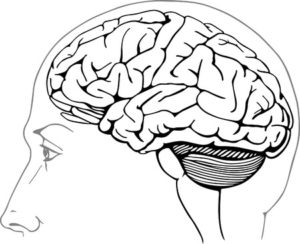 People mistakenly believe that certain changes—including losing brain function—are inevitable as they age. This does not have to be your fate; implementing a few strategic diet interventions can help preserve brain function, and, in some cases, even improve it.
So how do you stack the odds in your favor?
The following are list of some foods to include, limit, or try to avoid:
Carbohydrates
All carbohydrates are not created equal. In fact, different carbohydrates have unique abilities to control or raise your blood sugar, supply or strip your body of essential nutrients. Think about the effect of a soda versus consuming the same amount of calories from broccoli on your body and more importantly your brain!
 After years of abstaining from fat—the most calorie dense macronutrient—new research suggests that fat should actually have a prominent place in your diet. This abrupt about-face has been difficult for many people to accept, especially after the U.S. government’s Dietary Guidelines for Americans and other health authorities have hammered home the message that fat is public enemy #1 if you’re concerned about heart disease or are just trying to live a healthy lifestyle.
  Your diet does not need to go on vacation when you do. Too often, people use vacation as an excuse to mindlessly indulge in types or quantities of food they wouldn’t normally eat.,
 Ready, Set, GO! It’s 2017 and you have decided (again) that this is the year you will shrink your waistline and grow your bank account. No more excuses! This is it! Now that we’re about half way through the year – tell us – how are you doing with those resolutions?
 Irritable bowel syndrome (IBS) was unheard of only a few short years ago. Today, it is used as a general diagnosis for symptoms that affect the large intestine and cause digestive discomfort. Abdominal pain, bloating, gas, cramping, diarrhea, and constipation are all common symptoms of IBS, but it is important to remember that gut health can be controlled, changed, and improved with the right guidance and effort.
  The food that you put into your body has an enormous impact on your overall health and wellness. The old adage “You are what you eat” offers vast wisdom in its simplicity. It may be easy to add fruits and vegetables into your diet, but other nutritional principles require a bit more explanation. Eating the right ratio of omega-3 and omega-6 fatty acids, for example, is essential to minimize inflammation, support vital body functions, and prevent chronic disease.
 After years of enduring a poor reputation, fat has been redeemed with new research that suggests fat should actually have a prominent place in your diet. This abrupt about-face has caused significant confusion, especially because the government has long discouraged the intake of fat. Since 1980, when the food pyramid was first introduced, Americans have suffered an explosion of obesity. At least 55 percent of the population is currently considered to be obese, and this number is expected to increase. Chronic diseases associated with an unhealthy diet and lifestyle have also dramatically increased, surpassing infectious diseases as the main cause of death.
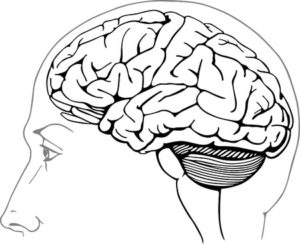 For the first time in human history, we have more people living over the age of 60 than below the age of 15. It’s true that living longer can increase the risk of suffering from chronic diseases that often appear later in life, but the study of epigenetics is proving that most of what happens to us is attributed to environmental triggers. Fortunately, we can control the largest “trigger”: our diet.