
Popeye may have been on to something when he grabbed and then gulped that can of spinach resulting in a bulging bicep! In fact, dark leafy greens such as spinach could be considered nature’s Viagra as they contain nitrates that convert to nitric oxide resulting in increased blood flow as well as exercise performance. Other good sources of nitrates including kale, chard, and a variety of lettuces. A recent study identified a link between those that consumed the highest nitrate consumption and an 11% increase in lower limb strength compared to those that had the lowest level of consumption. Regularly consuming just one cup of these greens could be enough to boost muscle function. Pretty exciting for something that can easily be obtained at the nearest grocery store (no prescription necessary).
While building more muscle is impressive enough, vegetables can also lead to fat loss. In particular, bitter vegetables such as broccoli rabe, arugula or escarole trigger your liver to produce more bile which then helps metabolize fat more efficiently. These bitter vegetables can help rev up your fat-burning metabolism. In addition, these bitter vegetables have also been linked to a reduction insulin resistance, a key factor in being able to release fat stores. Italians who are credited with being able to regularly consume pasta, bread and wine while not suffering the same metabolic dysfunction that Americans do also consume these bitter vegetables. Maybe the secret to eating pasta is what you choose to eat with it?
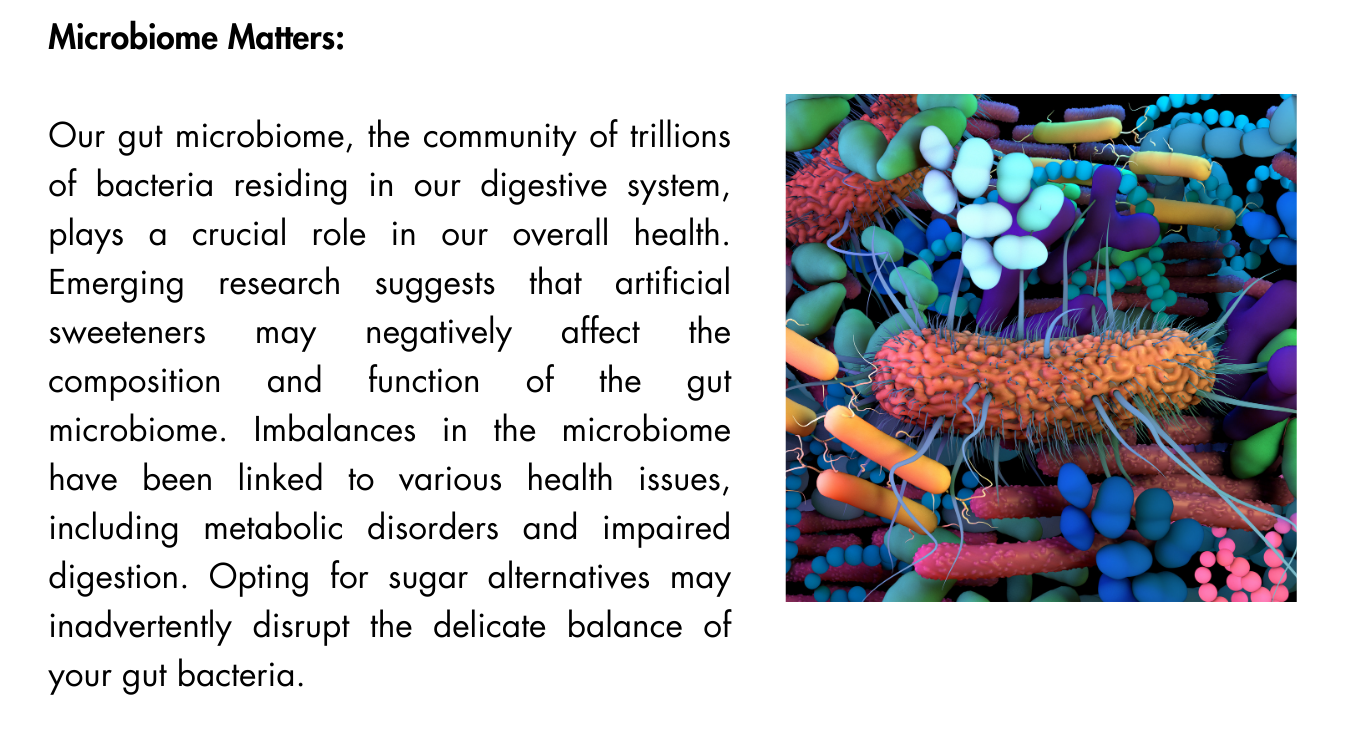
Vegetables can also play an important role in overall weight loss as well as in weight maintenance. Vegetables are naturally low calories while high in fiber, so that you are more satiated while eating less total calories. In addition, vegetables are nutrient dense, which supports your body’s ability to maintain a healthy metabolism. Finally, vegetables can even help curb your cravings, especially for highly processed carbohydrates. Emerging research has linked the composition of the bacteria in your gut with cravings for specific foods. Vegetables feed the beneficial bacteria in the gut that help keep you lean and healthy. As you begin to adopt a regular vegetable eating habit, you may even notice you start actually craving them!
What if you don’t love vegetables, but are ready to start consuming more?
Here are my top strategies to increase your vegetable intake and enjoy eating them more:
1) Start by adding or sneaking vegetables in to all meals.
a. Breakfast: add a handful of greens to a smoothie, have a vegetable omelet.
b. Lunch: think beyond salad with lettuce, try coleslaw, sauerkraut or a chopped salad (cucumbers, onions and tomatoes).
c. Dinner: use vegetables to replace starchy carbohydrates, such as, zucchini noodles or mashed cauliflower.
2) Season with flavors you know you already enjoy.
a. Roast vegetables with olive oil, garlic and some sprinkled parmesan cheese or nutritional yeast.
b. Steam vegetables and then toss with butter and top with favorite seasoning mix.
c. Grill vegetables coated in olive oil and seasoning to taste.
3) Hide your vegetables!
a. Add to your meat sauce.
b. Replace noodles in lasagna with zucchini or eggplant
c. Add broccoli or cauliflower to pesto, pasta dish.
Final take away: vegetables can play an important part in getting leaner and if you don’t currently crave them, start by slowly and consistently incorporating them and eventually you may find yourself asking, “double vegetables please!”
Learn more information about services provided.
If you want to know how a personalized plan could be the missing link in achieving your goals, please call now 941-685-8074 or click here to schedule a free 15 minute discovery call.
It can be frustrating, you’ve been working hard to make better diet choices, increased your level of exercise and have successfully lost weight but then it all comes to a screeching halt or worse you may even gain back a few pounds! What is going on?
Unfortunately, our bodies have not evolved to support weight loss. In fact, in 200,000 years that it is estimated we have existed on the planet, it has only been within the past 100 years that we have enjoyed food security. Simply put, our biology is a mismatch for the modern environment. Even though we can identify that we are carrying around too much fat, your body will fight to hold onto those stores in preparation for times of starvation. As you lower your calorie intake in an effort to lose weight, your body will eventually adjust to the lower calorie consumption and will slow your metabolism in response. In addition, you may also require less calories as you lose weight, particularly if you lose lean body mass.
Luckily, we CAN outsmart your body’s protective defenses and achieve our weight loss goals.
Here are my top strategies to push you through a weight loss stall:
Final takeaway: do not let a weight loss stall derail you from reaching your goal! Take a moment to appreciate what you have accomplished so far and then evaluate what diet/ lifestyle modifications you have yet considered.
If you want to know how a personalized plan could be the missing link in achieving your goals, please call now 941-685-8074 or click here to schedule a free 15 minute discovery call.
I confess, as much as I espouse healthy eating habits, I am guilty at times of eating too quickly, eating at my desk or worse, eating snacks out of a large bag! I even influence my family at the Dinner table to eat faster for fear that I may snatch some of their food. This is true, but I am aware that regularly engaging in these habits can negatively impact digestion, lead to undesired weight changes, and increased stress or anxiety. The solution to eradicating these habits may involve adopting a more mindful approach to eating. How you do anything can influence how you do everything. The practice of mindfulness has the power to impact all areas of life, by leading to increased appreciation and overall happiness. I’m ready!
What is mindfulness and how does it apply to eating? Mindfulness is based on the understanding that, when we are not paying attention to what we are experiencing, it is as if it does not exist. If you are distracted while eating ie: munching on popcorn at the movies, you are not really tasting the food. As a result, even though your stomach may be full, you continue to eat!
The essence of mindful eating is paying attention on purpose to the experience of eating without judgement. This is a fantastic strategy as the more you are present for the experience, the more satisfaction you will receive from it. The more we are able to quiet the critical voices in our head and adopt a more accepting dialogue it will become easier to maintain desired habits. Berating yourself after indulging in a treat only increases stress or guilt that may lead to more “treats” in an effort to feel better. Mindful eating practices can break you out of this destructive cycle and teaches you to listen to your internal voice telling you what you are truly hungry for. This ability of to use this inner wisdom has the capacity to transform your relationship with food.
Here are my top action steps that you can start today to adopt a more mindful approach to eating:
Finally, mindful eating will allow you take back control by shedding old bias’s and scripts to reveal authentic joy and pleasure that should be associated with eating.
If you want to know how a personalized plan could be the missing link in achieving your goals, please call now 941-685-8074 or click here to schedule a free 15 minute discovery call.
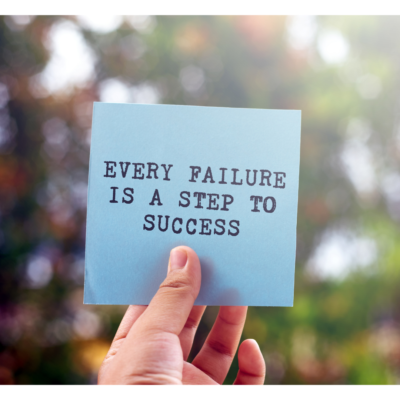
Fail better! Any path to any place worth going to does not go in a straight line. The next time you cave into your cravings and indulge in diet or lifestyle behaviors that may not be in your best interest, use this not as a time to berate yourself but instead as an important learning opportunity. This is great; you can decide to objectively look at behaviors and consequential outcomes to gain valuable information. This is merely information that should not be judged. Self-compassion, although difficult to master holds the ultimate key for success. You know that an ice cream treat before bed for too many nights will produce undesirable results, and you have the wisdom and power to come up with an alternative action!
Why you really never fail. The only people who fail are those who give up. Sometimes we may change the goals that we have set for ourselves, but that doesn’t mean we fail; rather, it means we are learning more accurately about what we really want. In fact, sometimes, the goal gets further away because we may set even higher expectations for ourselves. The path to success in any venture is not a straight line: there are always obstacles, setbacks and disappointments. This is where focusing on the journey and what you have achieved so far is critical to delivering you to your destination!
Today is always day one and a new opportunity to start again. Yesterday is truly history—good, bad, or otherwise, and tomorrow is a problem for another time. Focusing only on one day and what you want to accomplish is manageable. It is only when we spend too much energy recalling last night’s dinner party, when we had one too many appetizers, or are concerned about fitting into an outfit for an upcoming black tie event, that we can become overwhelmed. Today is fantastic; if you really think about it, you can do anything for just one day and maybe that one day could lead to another day!
Here are my top strategies for turning failures into weapons of success!
1) Rewrite in detail the scenario of how you would like it to go by devising a new plan?
Ie.: the next time you go out to dinner with friends, you eat a handful of olives before you get there, move bread out of reach and consider portions before beginning to eat.
2) Realize how stress affects your eating behaviors and replace comfort food with something that makes you feel better in the long term versus temporarily.
Ie: feeling stressed, try diaphragmatic breathing which can lower stress in the moment.
3) Redefine your indulgence from sabotaging your diet to spiking your metabolism and setting you up for success!
Ie: having a large buffet brunch on Sunday and follow it up by resuming your normal portions and choices on Monday.
Final takeaway: use “failures” as learning and growing opportunities that will get you closer every day to reaching your goals!
If you want to know how a personalized plan could be the missing link in achieving your goals, please call now 941-685-8074 or click here to schedule a free 15 minute discovery call.

Have you ever experienced a mid-afternoon slump that was resolved by consuming a bag of chips, crackers or cookies? Have you ever felt that you were not apart in making the decision to engage in this behavior? The urge to eat particular foods can be strongly influenced by your mood which may include fatigue, anxiety or irritability. This is not lack of willpower or motivation but your body’s attempt at achieving equilibrium to make you feel better, even if just temporary.
The strong signals that drive our eating behavior are complex and can be the result of many influences such as the hormones or neurotransmitters ghrelin, leptin, serotonin or dopamine.
Ghrelin is considered the hunger hormone or we could refer to it as the growling hormone! The growling that can occur in response to hunger triggers your stomach to release ghrelin which lets you know it is time to eat. Typically, ghrelin is highest before a meal and lowest an hour after a meal.
Leptin is considered the hormone that regulates satiation. Leptin is produced by the fat cells and reduces appetite.
Unfortunately, in obese individuals both of these hormones can become dysregulated and less responsive to their effects.
Bottom line: You may remain hungrier and have an appetite for more food even after consuming a meal.
Serotonin is known as the happiness hormone. When healthy levels of serotonin are present, it acts a natural appetite suppressor. In contrast, low levels of serotonin are known to increase cravings for carbohydrates that allow the building block of serotonin, tryptophan to enter the brain and be converted to serotonin.
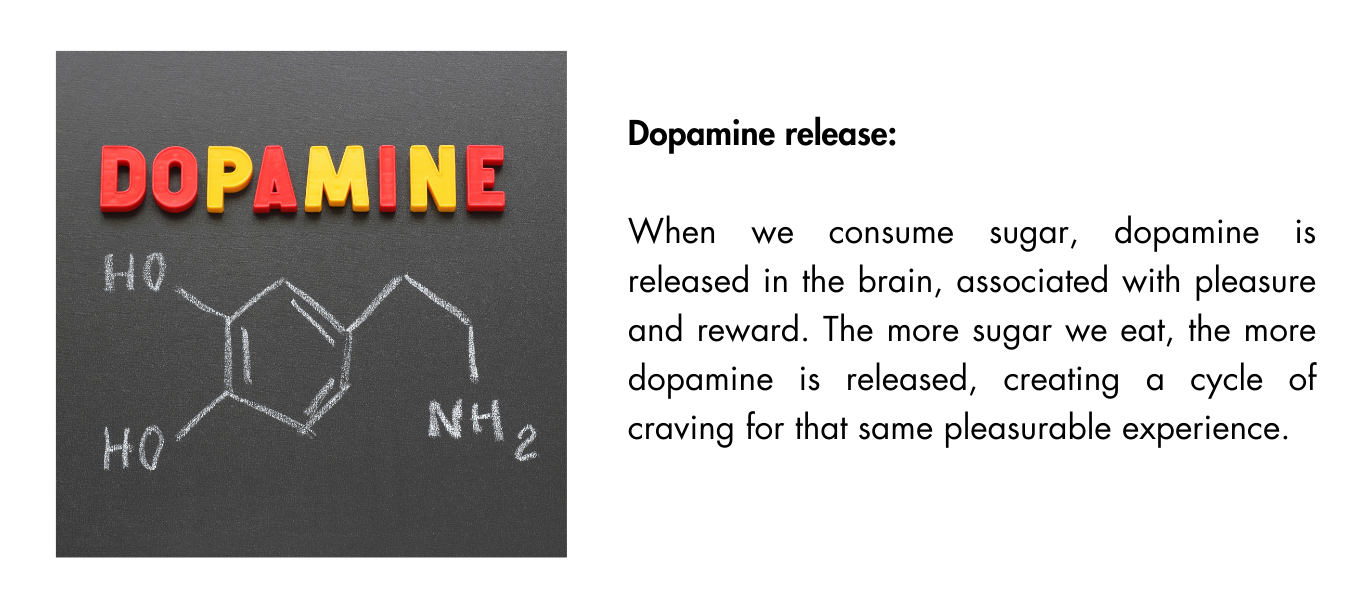
Dopamine, the pleasure-seeking hormone is responsible for helping motivate us to eat when we need to. In fact, low levels of dopamine are associated with increased cravings for addictive foods that can quickly raise dopamine levels. Such foods may include, chocolate, candy, chips or ice cream.
When these powerful neurotransmitters are out of balance, you are motivated to seek equilibrium to feel better fast.
Bottom line: You may feel compelled to engage in addictive like behavior, including consuming highly processed foods that may not support your health or weight goals.
What if there was a way to take control over these chemical messengers while improving your mood as well as food choices?
Here are my top action steps that you can take today to turn off the auto-pilot and gain control over your mood and food choices:
Final takeaway: stop your mood from hijacking your food choices, by getting adequate protein, omega-3 fatty acids, eliminating highly processed foods, engaging in exercise and focusing on sleep.
If you want to know how a personalized plan could be the missing link in achieving your goals, please call now 941-685-8074 or click here to schedule a free 15 minute discovery call.
You’ve decided you want to lose some unwanted weight and your plan is to cut out sugar, flour, and anything fried. You make some initial progress, but ultimately hit a wall when weight loss stalls and cravings continue to plague you.
Have you considered that maybe it is not what you are eliminating that’s the problem, but what you aren’t including in your diet that is slowing your metabolism while increasing cravings and appetite?
Evolutionarily we are mismatched for the modern world of food abundance and sedentary lifestyle. It was extremely recent in human history that we haven’t had to survive regular periods of starvation as well as endure challenging environments. As a result of evolutionary adaptation, your body is built to protect you from starvation. Slowing down your metabolism when resources are scarce has ensured human survival. To your frustration, this process occurs even when it may appear that we have plenty of stored energy (fat) to spare. These protective systems prevent you from cashing in your personal bank of stored energy, fat, except as a last resort in an emergency.
How can we then override this carefully controlled system to release fat and extra weight?
We need to engage in a bit of trickier that allows the body to feel secure that it is getting its needs met and safely release extra stored energy (fat). This is why focusing on eliminating specific foods to lose weight while failing to include certain critical nutrients is destined to fail in the long run.
What are the KEY essential elements needed to keep your metabolism fired up?
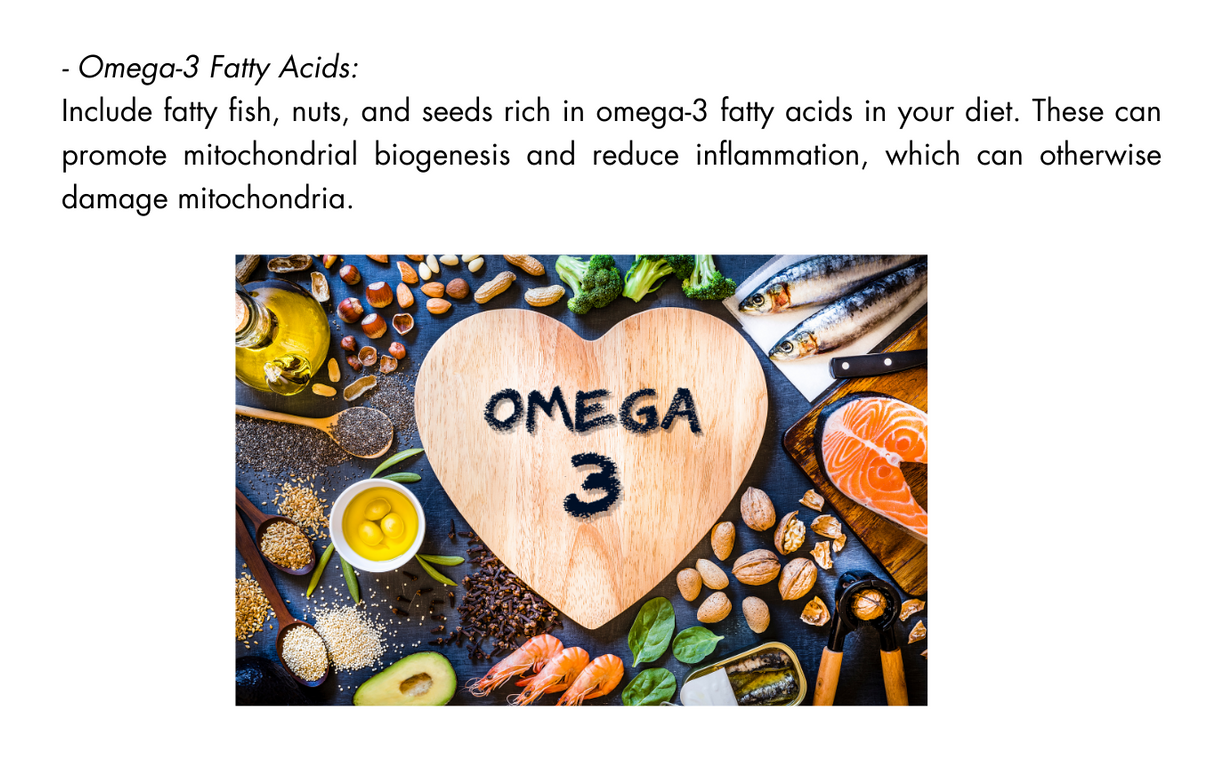
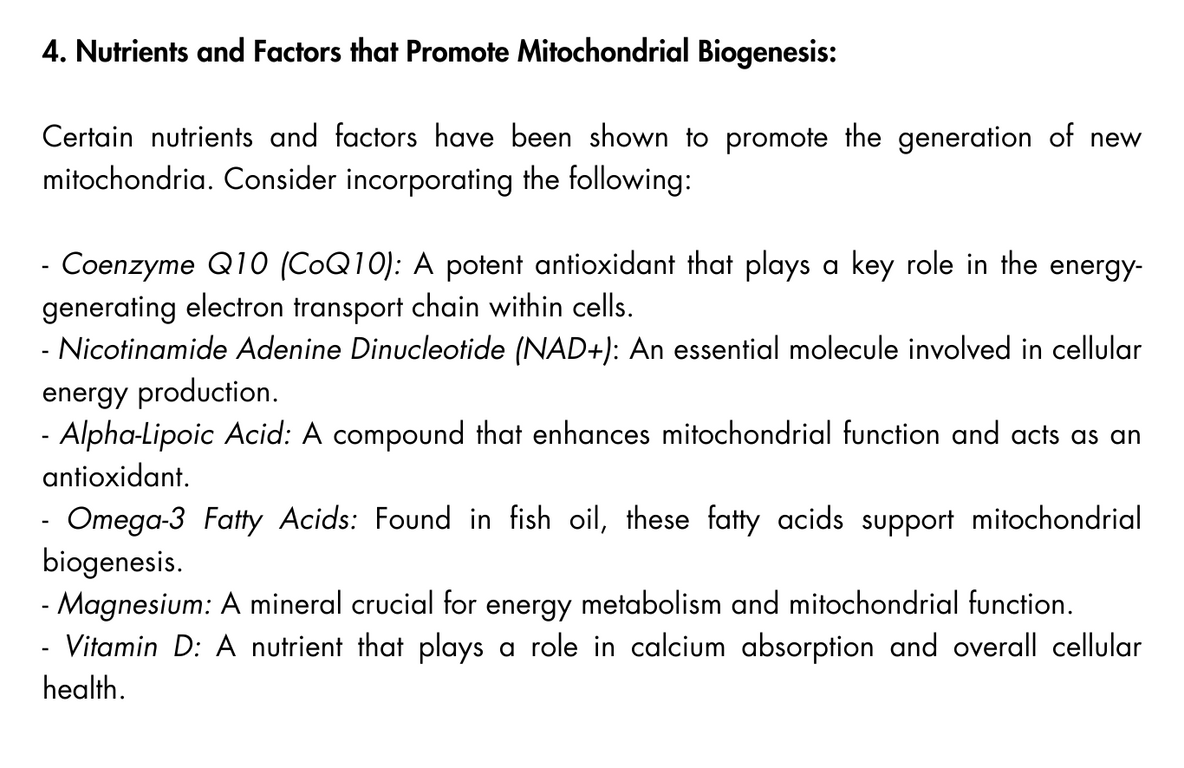
Omega-3’s play a critical role in fat loss and building muscle! These fats become part of the cell membrane which make them respond more favorably to hormones such as insulin. Omega-3 is known to lower inflammation while increasing your metabolism!
The best sources of Omega-3 are wild caught fatty fish such as sockeye salmon, sardines or mackeral. Vegetarian sources include Chia seeds, walnuts or flax. Although, the body is not efficient at converting this form of omega-3 into a usable form, so consider supplementation a suitable option.
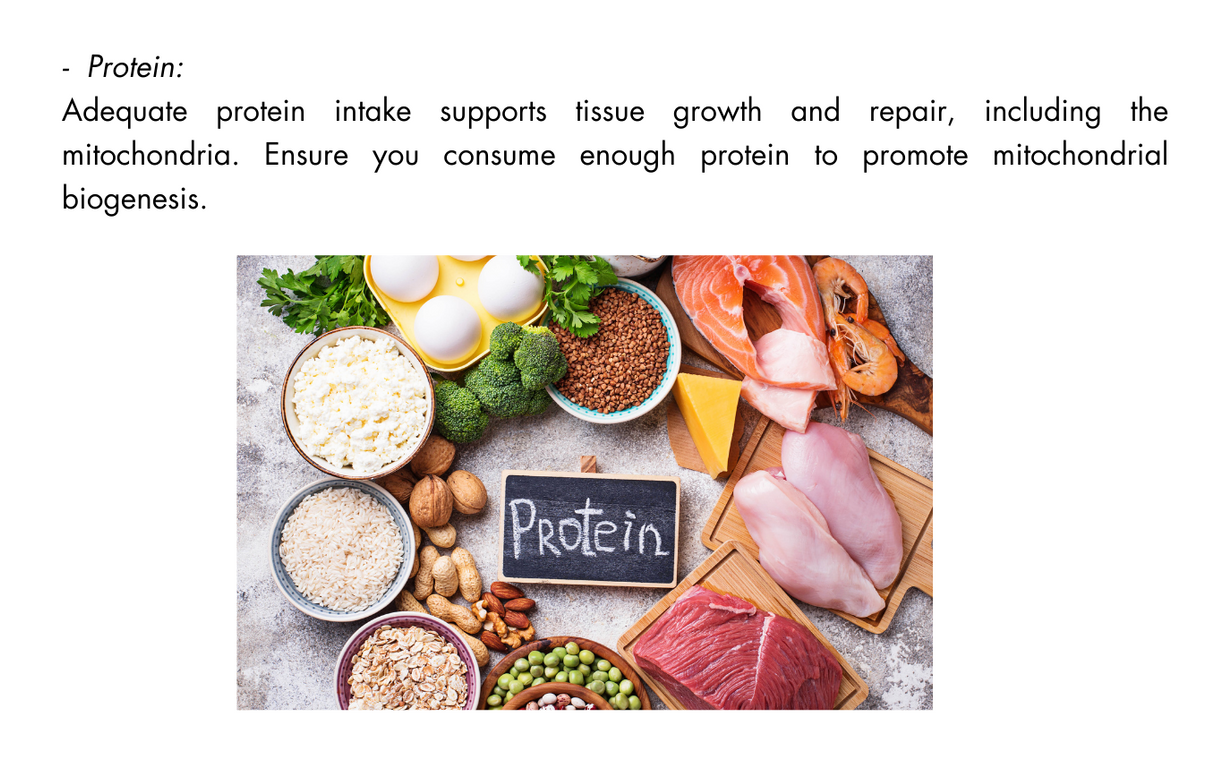
Best Sources of Protein are meat, fish, eggs, dairy, legumes, nuts and seeds. Not all protein sources are created equal, be sure to consider quality and quantity and bioavailability. Peanut butter may contain protein, but you may need consume many more calories to achieve the same amount of amino acids profile contained in an animal source.
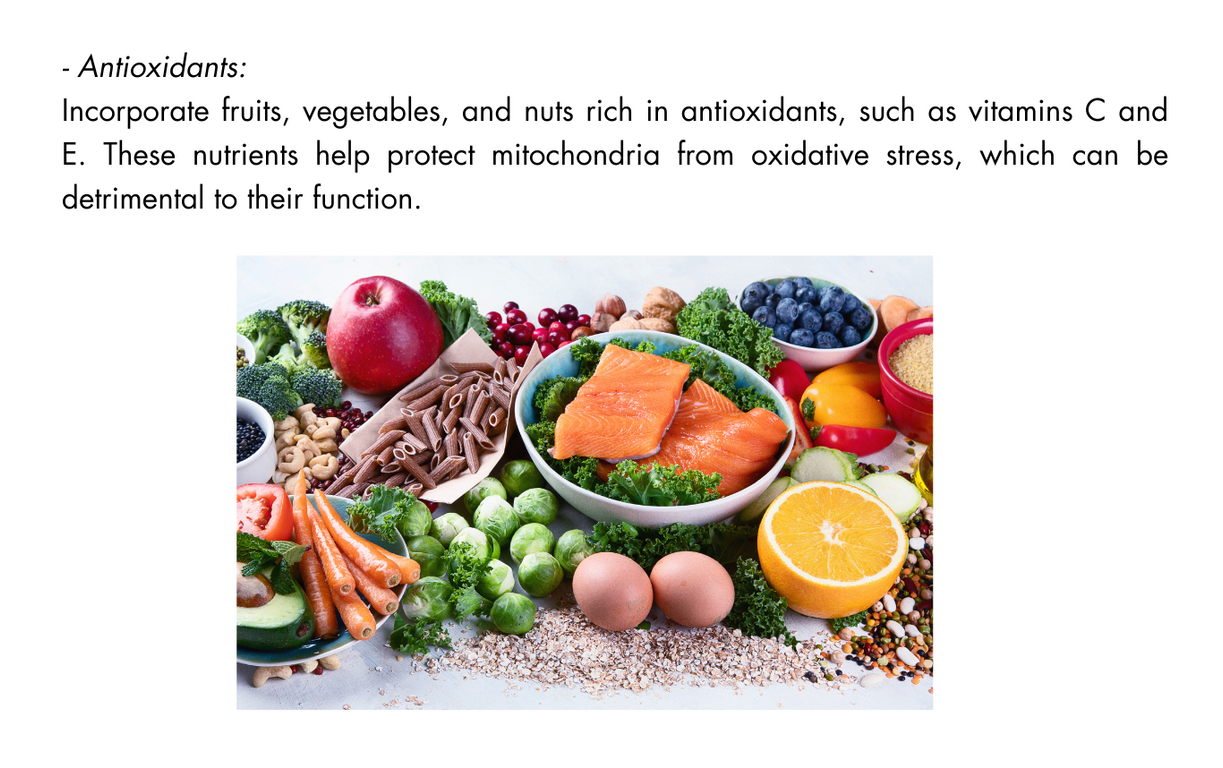
Best sources of nutrient dense foods: Seaweed, liver, dark leafy greens, grass-fed beef, mussels, egg yolks, mushrooms, seeds, wild rice, black beans to name a few!
Final takeaway: if weight loss is your ultimate goal, then your best plan is to focus on what you need to include in your diet rather than the foods you are trying to eliminate!
If you want to know how a personalized plan could be the missing link in achieving your goals, please call now 941-685-8074 or click here to schedule a free 15 minute discovery call.