Finally, your vacation has arrived! You have looked forward to this vacation for months. You realize you need a healthy break away from everyday concerns to recharge, unplug and gain a fresh perspective. You have made some good progress in achieving or maintaining your weight goals but now you are fearful that all of your efforts will be ruined by caving in to vacation temptations! Are your fears valid?
Reality check, most people who take a week or two vacation may gain an average of one pound. Unfortunately, this weight may not come off, contributing to the 1 to 2 pounds gained on average by Americans every year. This may not seem like an insurmountable amount of weight, but if ignored, those extra pounds can add up fast. In fact, most people report that their weight gain occurred slowly overtime as opposed in response to a single event. The opposite is also true, a single event such as a vacation is unlikely to significantly impact your weight as part of an overall healthy diet and lifestyle. This is a critical factor to consider because maintaining your preferred weight involves adopting long-term habits that are consistent, not perfect, even while on vacation. Successfully maintaining your preferred weight over the long term requires being able to cope with a variety of environmental influences. Vacation may provide the ultimate test of adhering to habits while adapting to a foreign and most likely challenging environment, armed with temptations!
Here are my top strategies you can implement to make your next vacation a confidence building exercise to propel you closer to adhering to your diet/ lifestyle goals:
- Bring an emergency stash of nonperishable items.
Ie.: protein powder with a shaker bottle, nuts or seeds, packets of fish, jerky.
- Have a healthy amount of protein and healthy fat at Breakfast. We have the most amount of willpower at Breakfast and it has the ability to influence your blood sugar and appetite for the whole day. Protein, specifically is the most satiating of all macronutrients and will set up your day for success.
Ie.: Vegetable omelet, a vegan breakfast burrito or bring your own protein powder as a back-up!
- Lunch and Dinner: look at the menu in advance, if possible. Eat vegetables and protein first before having starchy carbohydrates.
Ie: order a salad, ceviche or shrimp cocktail for an appetizer, leave bread for the main meal (when you may no longer want it!)
- Alcohol: try to limit majority of consumption to Happy Hour. Consider which drink provides the most pleasure and focus on that. The first drink at Happy Hour seems to fulfill that for most people. Steer clear of the fruity tooty mixers!
Ie.: Yes to a Dirty Martini, No to a Margarita (instead opt for straight tequila!)
- Finally, and most importantly, do not harshly judge yourself for any indulgence. Instead, consider the big picture benefit of enjoying an occasional treat. As a result, you will be more likely to bounce back and reinforce the habits that support your long-term weight loss goals.
Final takeaway: instead of fearing your vacation, embrace it as a challenge to propel you closer to your weight loss goals, by solidifying the diet and lifestyle habits that will get you there!
If you want to know how a personalized plan could be the missing link in achieving your goals, please call now 941-685-8074 or click here to schedule a free 15 minute discovery call.
 ating out is one of the most common luxuries shared by Americans, especially on the weekends. Whether you’re a foodie checking out unique local cuisine or a busy family trying to save money at a nearby buffet, it’s very important to stop and consider what exactly you are putting into your body as you eat. Taste shouldn’t be the only determining factor in your order; you should also stop to consider inflammatory fats, gluten, GMOs, and so much more.
 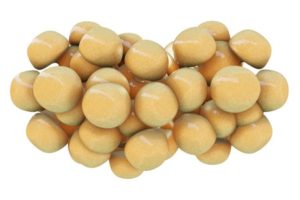 After years of abstaining from fat—the most calorie dense macronutrient—new research suggests that fat should actually have a prominent place in your diet. This abrupt about-face has been difficult for many people to accept, especially after the U.S. government’s Dietary Guidelines for Americans and other health authorities have hammered home the message that fat is public enemy #1 if you’re concerned about heart disease or are just trying to live a healthy lifestyle.
  Your diet does not need to go on vacation when you do. Too often, people use vacation as an excuse to mindlessly indulge in types or quantities of food they wouldn’t normally eat.,
 Ready, Set, GO! It’s 2017 and you have decided (again) that this is the year you will shrink your waistline and grow your bank account. No more excuses! This is it! Now that we’re about half way through the year – tell us – how are you doing with those resolutions?
 Irritable bowel syndrome (IBS) was unheard of only a few short years ago. Today, it is used as a general diagnosis for symptoms that affect the large intestine and cause digestive discomfort. Abdominal pain, bloating, gas, cramping, diarrhea, and constipation are all common symptoms of IBS, but it is important to remember that gut health can be controlled, changed, and improved with the right guidance and effort.
  The food that you put into your body has an enormous impact on your overall health and wellness. The old adage “You are what you eat” offers vast wisdom in its simplicity. It may be easy to add fruits and vegetables into your diet, but other nutritional principles require a bit more explanation. Eating the right ratio of omega-3 and omega-6 fatty acids, for example, is essential to minimize inflammation, support vital body functions, and prevent chronic disease.